Pressure washing is an effective method for cleaning driveways, but selecting the right equipment and techniques is crucial for success. Dependable concrete contractors recommend preparing the surface by clearing debris, scrubbing oil stains, and inspecting for any damage before washing. Applying the appropriate detergent and degreaser ensures better results, especially on tough stains. Use wide nozzles for larger areas and narrow ones for stubborn spots, maintaining consistent distance and pressure. After cleaning, inspect for damage, reapply sealant, and plan regular maintenance to keep your driveway looking pristine.
Choosing the Right Pressure Washer
When selecting a pressure washer for driveway cleaning, it’s important to consider the surface material and the required power level. For concrete driveways, a pressure washer with a PSI (pounds per square inch) of 3000 or higher is ideal for removing tough stains. Softer surfaces like asphalt may require a lower PSI, around 2000, to prevent damage. Additionally, consider the Gallons Per Minute (GPM) output of the pressure washer—a higher GPM can help speed up the cleaning process. It’s also wise to choose a washer with interchangeable nozzles to adjust the spray pattern for different cleaning tasks.
Preparing the Driveway Surface
Proper preparation of the driveway is essential to ensure the best results from pressure washing. Start by removing loose soil, leaves, and debris through sweeping. Use a stiff brush to scrub oil stains or greasy areas, and for more persistent stains, consider applying a degreaser formulated for driveways. Inspecting the driveway for any cracks or damage that should be repaired before pressure washing is also important. By preparing the surface, you can ensure that the pressure-washing process is more effective and delivers superior results.
Applying Detergent and Degreaser
Addressing tough stains and grease requires applying the right detergent and degreaser. Choose a detergent that’s designed for pressure washers to ensure optimal performance. Dilute the detergent according to the manufacturer’s guidelines and apply it evenly over stained areas. For stubborn grease spots, use a degreaser to break down the grime. Allow the detergent and degreaser to sit for the recommended amount of time to penetrate the surface before pressure washing. This step is essential for achieving a deep clean and removing tough stains effectively.
Pressure Washing Techniques
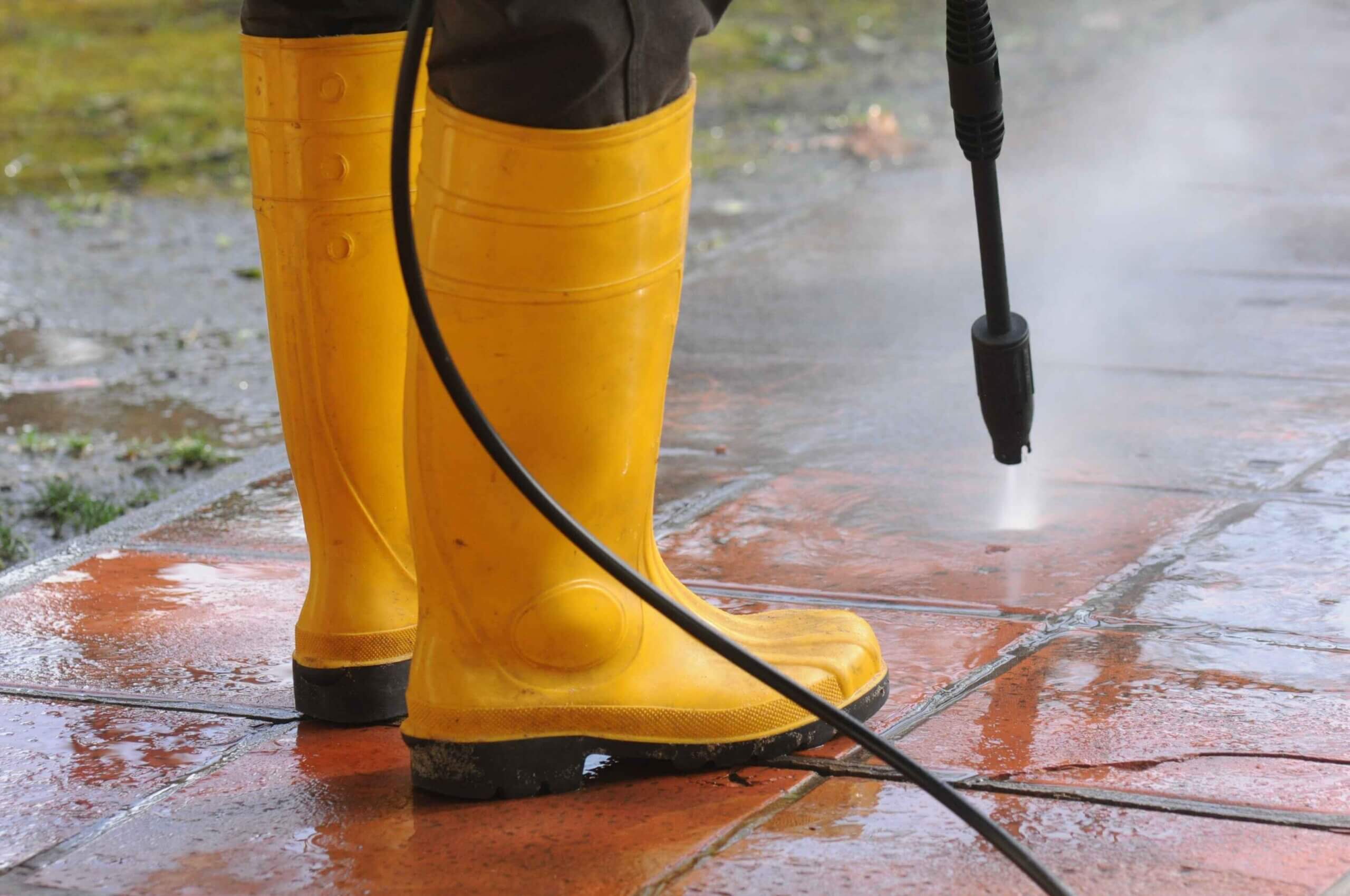
Proper pressure washing techniques are key to achieving thorough cleaning results. Begin with a wide spray nozzle to cover larger areas, then switch to a narrower nozzle for more difficult spots. Maintain a distance of 6-8 inches from the surface to ensure effective cleaning without causing damage. Move systematically, using overlapping strokes to avoid missing any sections. Pre-soaking the area with detergent or degreaser for tougher stains can help loosen the grime. Adjust the pressure settings based on the surface material to prevent unintentional damage. These techniques will ensure a clean, well-maintained driveway.
Post-Wash Care and Maintenance
After completing the pressure washing process, it’s important to implement proper post-wash care to maintain the driveway’s appearance and durability. Here are a few essential steps:
- Inspect for Damage: Check for cracks or chips that might have been hidden under dirt or grime.
- Reapply Sealant: Reapplying sealant will protect the driveway from future stains, oil leaks, and weather exposure.
- Weed Prevention: Apply a weed killer to prevent weed growth in gaps and cracks.
- Regular Cleaning: Schedule routine cleanings to prevent dirt buildup and maintain the driveway’s clean appearance.
Other related posts: