Deck stairs are essential for safely and stylishly transitioning between levels. Constructing them involves careful planning, precise measurements, and attention to detail. Whether upgrading your outdoor space or starting fresh, this guide walks you through the essential steps. If you’re in the area, expert deck contractors in Torrance can offer valuable insights and assistance to ensure your project meets the highest standards.
Planning and Preparation
Before beginning the construction of deck stairs, it’s crucial to invest time in thorough planning and preparation. Start by evaluating the area to determine the ideal location for the stairs, considering factors like safety, traffic flow, and convenience. Gather all required tools and materials in advance to avoid interruptions. Ensure clear communication among your team so everyone understands their roles. Double-check all measurements and confirm the foundation is stable before proceeding. Additionally, review local building codes and regulations to ensure compliance. By laying a solid groundwork, you’ll set the stage for a smooth and efficient construction process.
Calculating Rise and Run
Accurately determining the rise and run of the steps is essential for creating safe and comfortable stairs. The rise refers to the vertical height of each step, and the run indicates the horizontal depth. A standard rise between 7 and 8 inches and a run of 10 to 11 inches typically works well, providing an easy stride and reducing the risk of accidents. Use these dimensions to calculate the number of steps and the overall length of the staircase. By adhering to these measurements, you ensure that your stairs are not only functional but also user-friendly, enhancing the accessibility of your deck.
Constructing the Stringers
The stringers form the backbone of your deck stairs, supporting the treads and ensuring structural integrity. To construct them effectively, mark the rise and run on your stringer material using a framing square for accuracy. Cut along the markings to create notches where the treads will rest. Use a saw capable of making precise cuts to preserve the stringer’s strength. Once cut, test fit the stringers against the deck frame and adjust if necessary. Double-check all angles and measurements before securing the stringers. Properly constructed stringers are key to a staircase that is both durable and safe.
Installing the Stair Treads
The stair treads provide the stepping surface of your stairs and must be installed with care to ensure safety and stability. Follow these essential steps:
- Measure Twice: Verify the alignment and dimensions of each tread before securing it to the stringers.
- Choose Quality Fasteners: Use corrosion-resistant screws or nails for a secure fit that withstands outdoor conditions.
- Maintain Consistent Spacing: Ensure uniform spacing between treads for a clean look and safer use.
- Select Durable Materials: Opt for outdoor-friendly materials that offer good grip to minimize the risk of slipping.
Proper installation of treads enhances the functionality and appearance of your stairs, ensuring they are built to last.
Adding Handrails and Finishing Touches
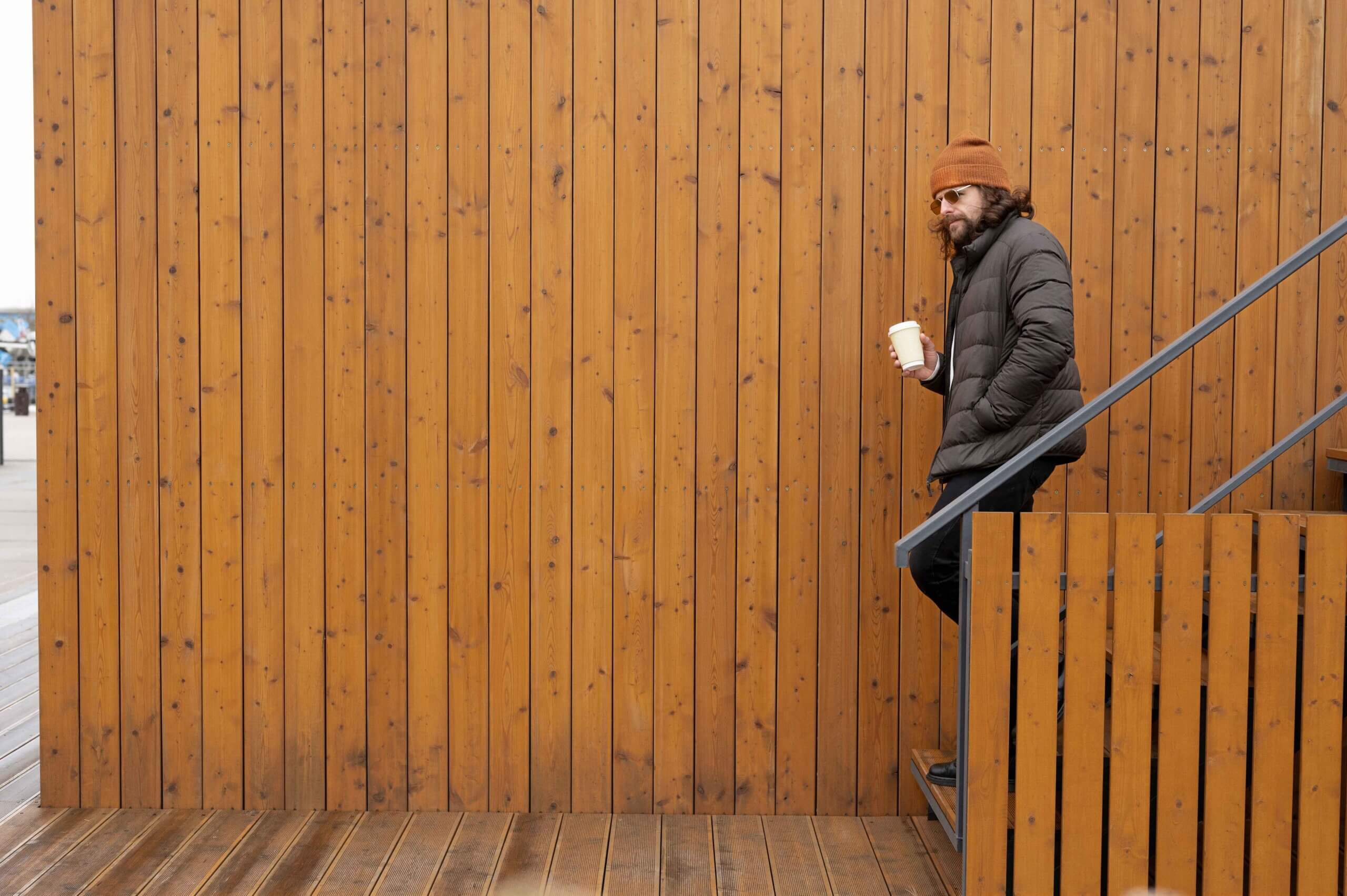
Handrails are a vital addition for safety and visual appeal. Attach them securely to the sides of the stairs at a height of 34 to 38 inches, ensuring they are level and provide stable support. Extend the handrails slightly beyond the top and bottom steps for ease of use. Use durable fasteners, such as screws or bolts, to secure the handrails to the posts. For added flair, consider decorative elements like postcaps or finials. Finalize your project by sanding rough edges, applying a weatherproof finish to protect against the elements, and adding non-slip strips to the treads for extra safety. These finishing touches not only enhance the look of your stairs but also improve their durability and functionality.
Other related posts: